Source universal racing fuel lines with oil catch can for engines
Compare 30 listings for universal racing fuel lines with oil catch can from verified suppliers. Buyers can review specifications, MOQs, and shipping options for auto engine applications and fuel system repairs.
Key considerations
Products List
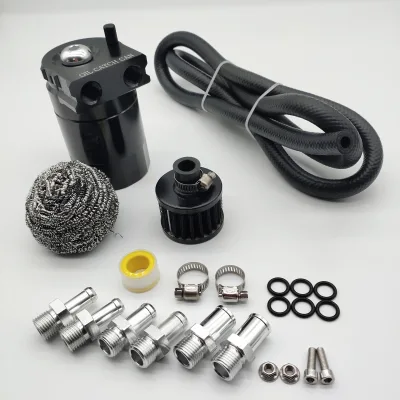
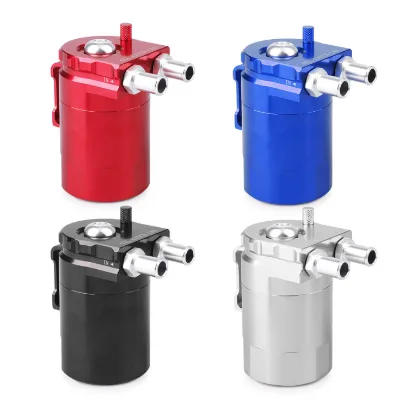
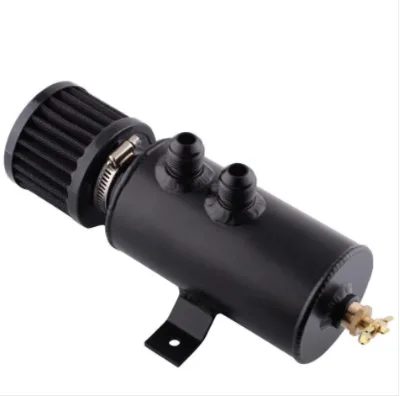
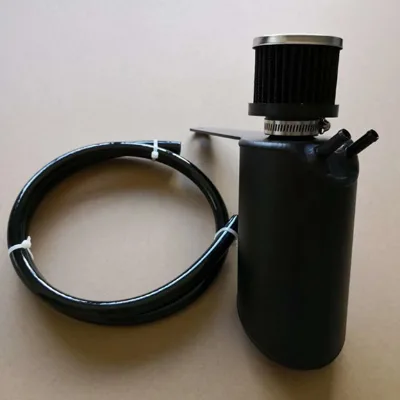
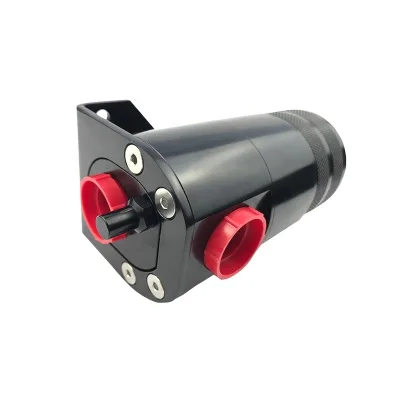
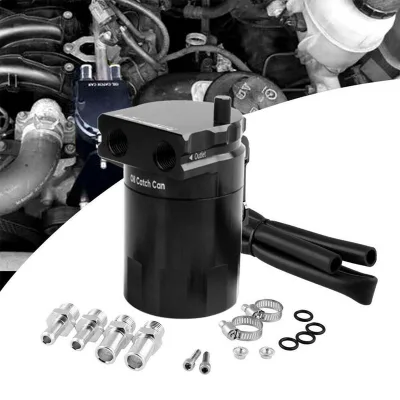

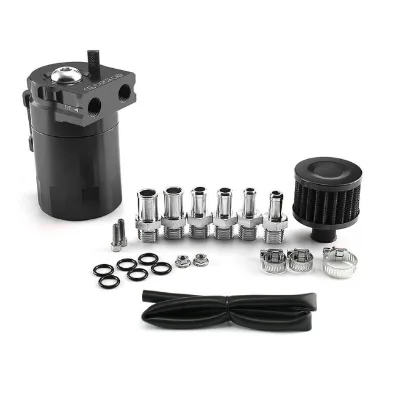


Comprehensive Sourcing Guide
Strategic Sourcing Guide for Universal Racing Fuel Lines and Oil Catch Can Systems
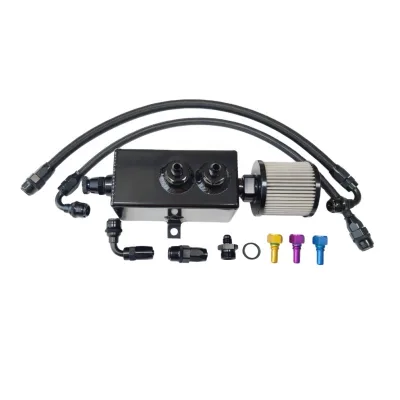
Procuring high-performance automotive components requires a disciplined approach that balances technical specifications with supply chain reliability. For buyers targeting universal racing fuel lines and oil catch can systems, the market offers a diverse array of options, yet the path to a successful procurement strategy involves rigorous verification of product attributes. The core keyword "universal racing fuel lines with oil catch can" implies a need for systems that can adapt to various engine configurations while maintaining structural integrity under high stress. This guide outlines the essential factors for sourcing these components, drawing strictly from observed market data and established industry practices to ensure informed decision-making.
Technical Specifications and Material Integrity
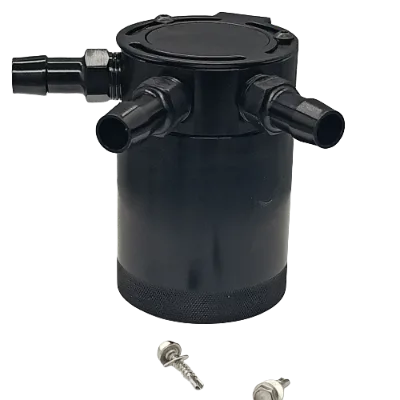
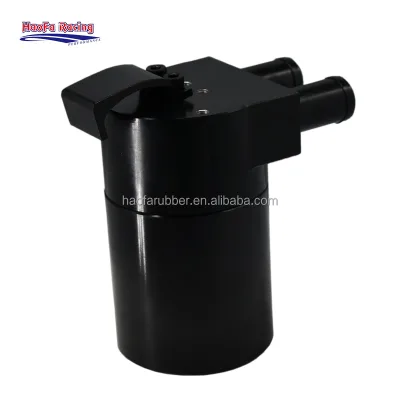
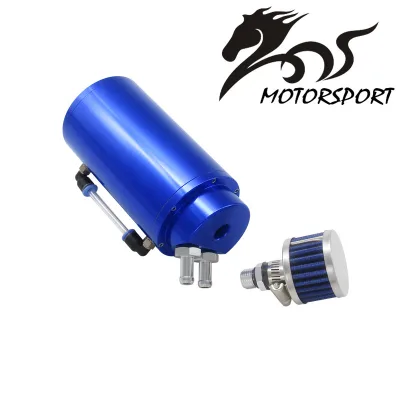
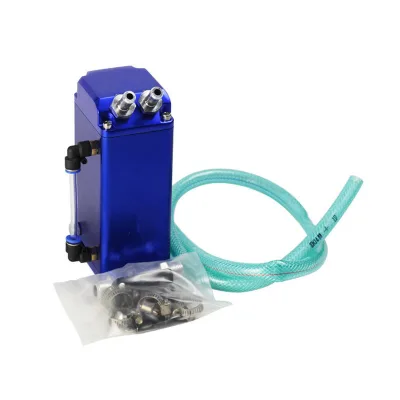
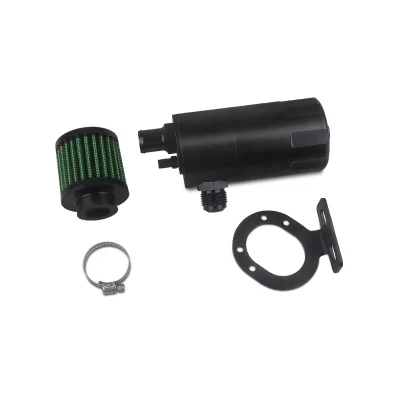
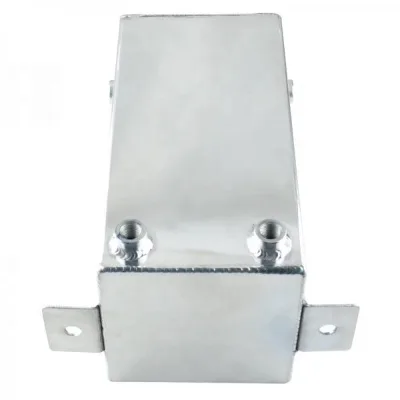
The foundation of any reliable oil catch can system lies in its material composition and dimensional specifications. In the current market, aluminum is the predominant material observed for these units, offering an optimal balance between weight reduction and corrosion resistance. Buyers must verify that the product is constructed from high-quality aluminum, as this directly impacts the longevity of the component in harsh racing environments. The physical dimensions of the catch can are critical for installation clearance and volume capacity. Observed data indicates that single package sizes can vary significantly, ranging from compact units measuring 35x35x20 cm to larger configurations reaching 52x52x22 cm. Furthermore, specific product sizes such as AN10 fittings are noted, which is a standard sizing metric for high-flow fuel and oil lines in racing applications.
When evaluating fuel lines, the "universal" designation suggests compatibility with a wide range of vehicle models. However, buyers should not assume universal fitment without cross-referencing specific vehicle parameters. The observed data lists applications ranging from "Auto Engine" to "Fuel System," and car models are described variously as "Universal," "Any," or "All." This variability necessitates a careful review of the specific part number or OE number provided by the supplier. For instance, some listings reference specific OE numbers like 1121170400, ST3501500, and SA3501130, while others list them as "-NA" or "-oem." A procurement strategy must prioritize verifying that the universal claim aligns with the specific make and model of the target vehicle to avoid costly installation errors.
Compliance, Certification, and Quality Verification
In the B2B automotive sector, compliance and certification are non-negotiable elements of the sourcing process. While many suppliers market their products as "High-Quality," objective verification is required. The only specific certification explicitly observed in the provided data is ISO90001. Buyers should treat this as a baseline requirement and actively seek suppliers who can provide valid, current certification documents. It is crucial to understand that the absence of a listed certification in a product description does not automatically imply non-compliance, but it does require the buyer to request proof before placing an order.
Quality control extends beyond certifications to the physical condition and packaging of the goods. All observed products are listed as "New," which is a standard expectation for new procurement. However, the packaging details vary widely, ranging from simple plastic film and carton boxes to woven bags and custom wooden pallets. The choice of packaging often reflects the supplier's attention to detail and their ability to protect the product during transit. For international shipping, which is noted as available via Air, Sea, or Express Delivery, robust packaging is essential to prevent damage. Buyers should also verify the "Single gross weight" of the packages, which ranges from 0.500 kg to 1.500 kg, to accurately calculate shipping costs and logistics planning.
Cost Drivers and Minimum Order Quantity Analysis
Understanding the cost structure of universal racing fuel lines and oil catch cans is vital for budgeting and inventory management. The observed price range in the market spans from $0.01 to $99 USD, a wide spectrum that reflects differences in material quality, manufacturing complexity, and brand positioning. While low unit costs can be attractive, they must be weighed against the potential risks of inferior quality. The Minimum Order Quantity (MOQ) is another significant cost driver. Data shows a wide range of MOQs, from as low as 10 pieces to as high as 1000 pieces, with common thresholds observed at 20, 50, and 50 pieces.
Buyers must align their order volume with their specific business needs. For small-scale testing or prototyping, suppliers with an MOQ of 10 or 20 pieces may be preferable. Conversely, for large-scale distribution or fleet outfitting, negotiating a higher volume order to meet an MOQ of 1000 might yield better unit economics. The "Selling Units" are typically listed as "Single item," which simplifies the ordering process but requires careful calculation of total volume. Additionally, payment terms are generally structured around T/T (Telegraphic Transfer), a standard practice in international trade that requires clear agreement on deposit percentages and balance payment timing to mitigate financial risk.
Typical Applications and Performance Expectations
The primary application for these components is the "Auto Engine," specifically within the context of "Auto Engine Systems" and "Fuel System" management. The purpose is explicitly stated as "for replace/repair," indicating that these parts are designed to restore or enhance engine performance. In racing scenarios, oil catch cans play a critical role in separating oil vapors from the crankcase ventilation system, preventing oil from entering the intake manifold and causing carbon buildup. This function is essential for maintaining engine efficiency and longevity in high-performance environments.
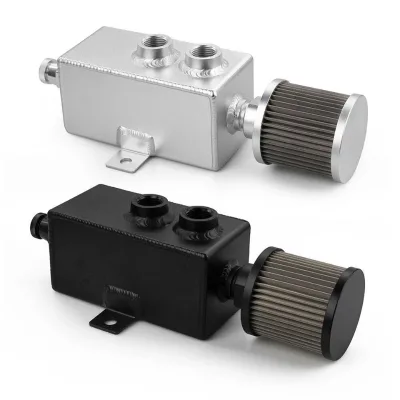
The versatility of the "Universal" car model designation is a key selling point, allowing these parts to be fitted to various makes and models. However, the specific "Car Make" is listed as "All" in some contexts, which is a broad claim that requires technical validation. Buyers should confirm that the fuel line fittings and catch can mounting points are compatible with the specific engine bay layout of the target vehicle. The color options, observed as Silver, Black, Red, or custom, allow for aesthetic customization, which is often a priority in the racing community. The warranty periods observed range from 1 year to 12 months, providing a standard benchmark for post-purchase support.
Supplier Evaluation and Logistics Management
Selecting the right supplier involves more than just comparing prices; it requires a holistic evaluation of their operational capabilities. The "Place of Origin" is a critical factor, with Hebei, China, and Henfshui identified as key manufacturing hubs. These regions have established supply chains for automotive parts, but buyers should verify the specific factory capabilities to ensure they meet their quality standards. The "Delivery time" is observed to be between 7 and 15 days, which is a reasonable timeframe for standard orders, though this can vary based on shipping method and destination.
Logistics planning must account for the "Shipping" options available, which include Air, Sea, and Express Delivery. The choice of shipping method will directly impact the lead time and cost. For urgent orders, Air or Express Delivery may be necessary, while Sea Shipping is more cost-effective for large, non-urgent shipments. The "After-sales Service Provided" status varies, with some suppliers offering no after-sales service, while others provide a 12-month warranty. Buyers should prioritize suppliers who offer clear after-sales support and warranty terms to mitigate the risk of product failure. Additionally, the availability of samples is a positive indicator of supplier confidence and allows buyers to verify product quality before committing to a large order.
Long-Term Procurement Considerations and Risk Mitigation
Sourcing universal racing fuel lines and oil catch cans is a long-term investment that requires ongoing relationship management and risk mitigation strategies. The "Packing" details, which include options for neutral packages or custom requirements, suggest that suppliers are flexible, but buyers must clearly communicate their packaging needs to ensure product safety. The "Single package size" and "Single gross weight" data provided are essential for calculating freight charges and warehouse storage requirements.
To mitigate risks, buyers should implement a rigorous quality control process that includes pre-shipment inspections and post-arrival testing. The "Sample" availability mentioned in the data is a valuable tool for this process, allowing buyers to test the product in real-world conditions before scaling up orders. Furthermore, buyers should maintain open communication with suppliers regarding any changes in specifications or certifications. The "OE NO." and "Model Number" fields should be carefully monitored to ensure that the parts supplied match the exact requirements of the project. By adhering to these disciplined sourcing practices, buyers can secure high-quality components that meet the demanding standards of the racing and automotive performance industry.
| Attribute Category | Observed Data Points | Verification Requirement |
|---|---|---|
| Material | Aluminum | Verify alloy grade and thickness |
| MOQ | 10, 20, 50, 1000 pieces | Confirm volume discounts and flexibility |
| Warranty | 1 Year, 12 Months | Clarify terms and claim process |
| Certification | ISO90001 | Request valid certificate copy |
| Shipping | Air, Sea, Express | Calculate total landed cost |
| Origin | Hebei, China; Henfshui | Verify factory location and capacity |
| Application | Auto Engine, Fuel System | Match to specific vehicle model |
| Packaging | Carton, Plastic Film, Wooden Pallet | Confirm protection for transit |
In conclusion, successful procurement of universal racing fuel lines and oil catch can systems depends on a meticulous review of technical specifications, supplier credentials, and logistical capabilities. By focusing on the verified data points and maintaining a rigorous evaluation process, buyers can navigate the complexities of the global market and secure components that deliver the performance and reliability required for high-stakes automotive applications.
FAQs
What material is used for universal racing fuel lines with oil catch can?
The product is constructed from aluminum, which offers a balance of weight reduction and corrosion resistance. This material choice ensures durability in harsh racing environments while maintaining structural integrity under high stress conditions.
Can I find universal racing fuel lines with oil catch can with ISO90001 certification?
Yes, ISO90001 certification is explicitly observed in the product data for some listings. Buyers should verify valid certification documents from suppliers before ordering to ensure compliance with quality standards.
Which MOQ values are available for universal racing fuel lines with oil catch can?
Minimum Order Quantities range from 10 pieces to 1000 pieces, with common thresholds at 20 and 50 pieces. Buyers should select an order volume that aligns with their specific business needs and inventory requirements.
How long is the delivery time for universal racing fuel lines with oil catch can?
The observed delivery time is between 7 and 15 days for standard orders. This timeframe may vary depending on the specific shipping method chosen, such as Air, Sea, or Express Delivery.
What warranty period is offered for universal racing fuel lines with oil catch can?
Warranty periods observed in the market range from 1 year to 12 months. Buyers should clarify specific terms and the claim process with the supplier to ensure adequate post-purchase support.
Where are universal racing fuel lines with oil catch can manufactured?
Products originate from manufacturing hubs in Hebei, China, and Henfshui. Buyers should verify the specific factory location and capacity to ensure the supplier meets their quality and operational standards.
Can samples be obtained for universal racing fuel lines with oil catch can?
Samples are available for verification purposes, allowing buyers to test product quality before committing to large orders. This availability indicates supplier confidence and supports a rigorous pre-shipment quality control process.